
The Complete Guide to Shopping: Trends, Tips and Smarter Choices
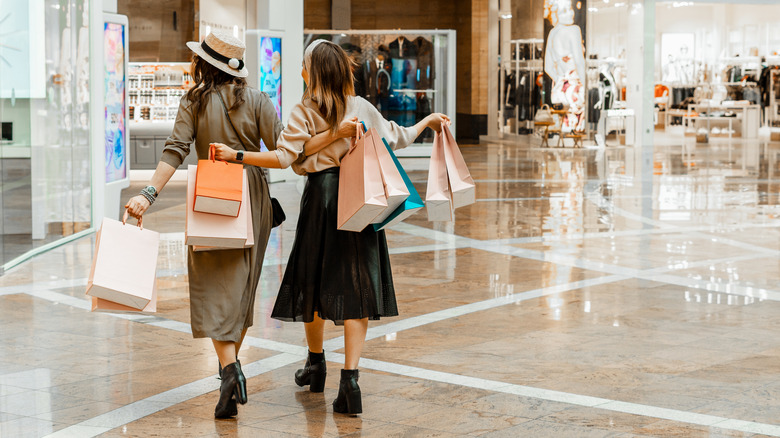
Shopping has evolved into more than just a way to acquire necessities. Today, it is an experience, a lifestyle activity, and in many cases, an expression of identity. With the growth of technology, changing consumer habits, and the rise of sustainable practices, shopping has taken on new dimensions that influence how people spend, save and choose.
The Evolution of Shopping
Shopping has shifted dramatically over the past few decades. Where once local high streets and department stores were the primary hubs, now online platforms and digital marketplaces dominate.
Traditional Retail
-
Local shops offered personalised customer service.
-
Physical interaction with products before purchasing.
-
Limited to opening hours and location.
Modern Retail
-
Online stores provide 24/7 access.
-
Wider variety of brands and products.
-
Comparison tools help consumers make informed decisions.
-
Click-and-collect options bridge the gap between online and in-store.
The Psychology of Shopping
Understanding why people shop is essential. It’s not always about need, but often about emotion and social influence.
-
Emotional satisfaction: Shopping can trigger happiness, especially through “treat purchases”.
-
Social influence: Trends and recommendations shape consumer behaviour.
-
Personal identity: People often shop for items that align with their values and personality.
The Rise of Online Shopping
Digital platforms have reshaped the landscape. With the rise of smartphones, shopping has become more accessible and faster than ever.
Key Benefits
-
Convenience: Order from anywhere, anytime.
-
Variety: Access to global markets and niche brands.
-
Speed: Same-day or next-day delivery options.
-
Price comparison: Tools to ensure the best value.
Challenges
-
Concerns over data security.
-
Difficulty in assessing quality without physical inspection.
-
Risk of counterfeits or misleading product descriptions.
In-Store Shopping Still Matters
Despite the rise of e-commerce, physical stores still hold importance.
-
Ability to test and try products.
-
Immediate possession of goods.
-
Personalised service from staff.
-
Experience-driven shopping environments such as pop-up shops and concept stores.
Smart Shopping Strategies
Shopping wisely requires planning and awareness. Here are strategies to enhance the experience:
-
Set a budget: Avoid impulse overspending.
-
Research before purchase: Compare prices, read reviews, and understand product features.
-
Wait for discounts: Sales seasons can make high-quality items more affordable.
-
Prioritise quality over quantity: Long-lasting goods often save money in the long term.
The Role of Technology in Shopping
Technology has revolutionised the way consumers engage with brands and products.
Emerging Trends
-
Artificial intelligence (AI): Personalised recommendations based on browsing history.
-
Virtual reality (VR): Try-before-you-buy experiences in fashion and furniture.
-
Mobile apps: Streamlined purchases, reward systems, and exclusive offers.
-
Contactless payments: Faster, safer, and more hygienic.
Sustainable and Ethical Shopping
Modern consumers are more aware of the impact of their purchases.
-
Eco-friendly products: Items made with recycled or biodegradable materials.
-
Fair trade: Ensuring producers in developing countries receive fair wages.
-
Local shopping: Supporting nearby businesses and reducing carbon footprints.
-
Minimalism: Choosing fewer, high-quality products instead of frequent low-cost buys.
Seasonal Shopping Trends
Shopping patterns fluctuate throughout the year. Retailers design strategies around these cycles.
-
Festive seasons: Increased demand for gifts and decorations.
-
Back-to-school sales: Focus on clothing, stationery, and technology.
-
Black Friday and Cyber Monday: Known for steep discounts and massive online traffic.
-
Summer sales: Promotions on travel-related items and seasonal fashion.
Real-Life Tips for Everyday Shoppers
To maximise benefits and reduce waste, consider these practical approaches:
-
Always check return policies before purchasing.
-
Use cashback or loyalty programmes for added savings.
-
Subscribe to newsletters for early access to discounts.
-
Shop at off-peak hours to avoid crowds and improve experience.
Frequently Asked Questions (FAQ)
How can I avoid impulse buying while shopping?
Impulse buying can be reduced by creating a shopping list, setting a strict budget, and avoiding unnecessary browsing on shopping apps or websites.
Is online shopping cheaper than in-store shopping?
Not always. Online platforms may offer lower prices due to fewer overheads, but in-store sales, clearance sections, and loyalty schemes can sometimes provide better value.
What is the safest way to shop online?
Ensure you shop from reputable websites, check for secure payment methods (look for HTTPS), and avoid public Wi-Fi when entering sensitive details.
How can I make shopping more sustainable?
Focus on buying durable products, supporting ethical brands, reducing packaging waste, and purchasing from local businesses.
Why do some people find shopping therapeutic?
Shopping stimulates dopamine release in the brain, creating a sense of pleasure and satisfaction. For some, it serves as stress relief or a form of self-expression.
Are loyalty cards worth it?
Yes, if used wisely. They often provide discounts, rewards, or exclusive offers, but they should not encourage unnecessary spending.