
Home: More Than Just a Place to Live
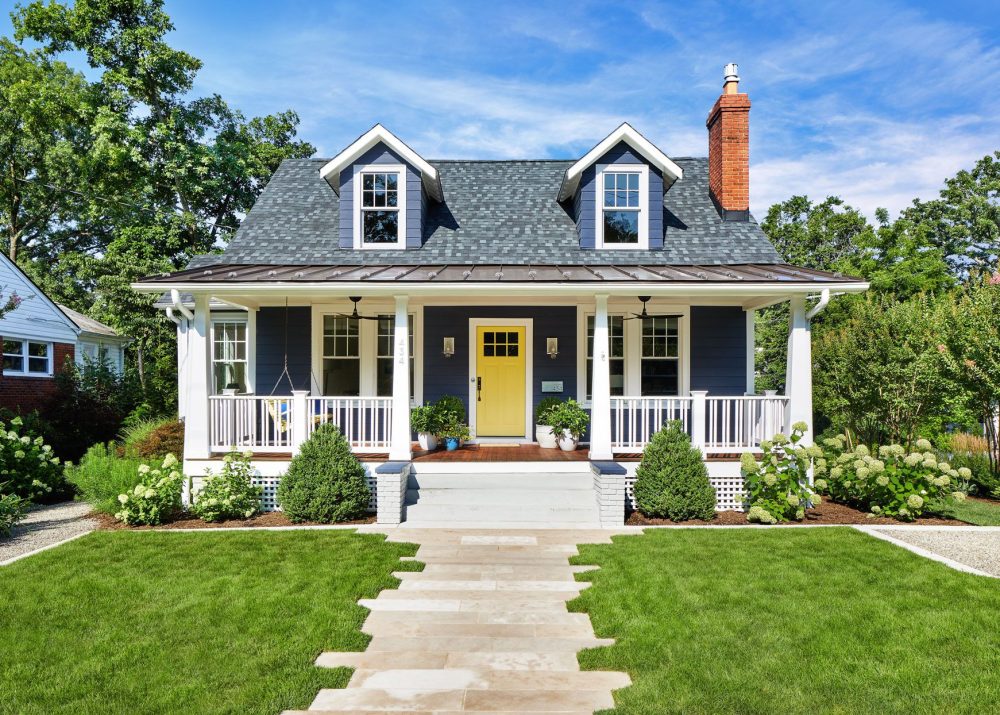
Understanding the Concept of Home
The word home carries a meaning that extends far beyond the physical walls of a house. A home is not just a structure made of bricks, wood, or concrete; it represents safety, belonging, and comfort. For many people, the idea of home is deeply tied to emotions, family, and memories. Unlike a house, which is simply a shelter, a home is a place where life unfolds, stories are created, and traditions are passed down.
The concept of home is universal, yet it takes on unique interpretations depending on culture, lifestyle, and personal values. In the UK, for example, a home is often associated with warmth, tradition, and a sense of continuity.
The Psychological Importance of Home
A home provides more than physical protection; it nurtures mental and emotional wellbeing. Psychologists highlight that having a stable and familiar environment reduces stress and supports healthy routines. The design, atmosphere, and personal touches within a home can influence mood and productivity.
Key Psychological Benefits:
-
Security and Stability: A home acts as a safe haven against external uncertainty.
-
Identity Expression: The way you decorate or maintain your home reflects your personality and values.
-
Emotional Connection: Home is a space where important life events take place, making it a repository of memories.
-
Wellbeing Boost: Clean, organised, and personalised spaces positively affect mental health.
The Role of Home in Family Life
Homes play a pivotal role in shaping family bonds. Shared meals around the dining table, holiday traditions, and everyday conversations all thrive in the environment a home creates. A family home acts as the backdrop for nurturing relationships, providing both privacy and togetherness.
Family-Centred Features of a Home:
-
Living Spaces: Areas designed for relaxation and shared experiences.
-
Bedrooms: Private spaces that balance personal comfort with family connection.
-
Kitchens: Often called the heart of the home, kitchens bring families together through cooking and shared meals.
-
Outdoor Areas: Gardens, patios, or terraces where children can play and families can relax.
Home as a Reflection of Lifestyle
Every home mirrors the lifestyle and aspirations of those living in it. For some, a minimalist flat in the city represents freedom and independence. For others, a countryside cottage symbolises peace and tradition. The location, design, and layout of a home often reveal priorities such as career ambitions, family planning, or leisure activities.
Lifestyle-Driven Home Choices:
-
Urban Living: Compact flats or townhouses with quick access to work, transport, and entertainment.
-
Suburban Homes: Family-friendly neighbourhoods offering larger spaces, gardens, and schools nearby.
-
Rural Properties: Ideal for those seeking quiet, scenic views, and closer contact with nature.
Designing a Home for Comfort
Designing and decorating a home is an ongoing process that combines functionality with aesthetics. The goal is to create a space that feels welcoming and practical.
Tips for Creating Comfort:
-
Lighting Matters: Natural light lifts mood and makes spaces feel larger.
-
Personal Touches: Photographs, artwork, and heirlooms add emotional warmth.
-
Smart Layouts: Arranging furniture to maximise space and flow enhances usability.
-
Colours and Textures: Soft tones create calmness, while bold accents bring energy.
The Financial Side of Home
Owning or renting a home is often the most significant financial decision a person makes. Beyond the purchase price or monthly rent, ongoing costs such as maintenance, utilities, and insurance need consideration. In the UK, the housing market fluctuates, making it vital for buyers and renters to stay informed and plan carefully.
Financial Considerations:
-
Mortgage or Rent Payments: Long-term affordability is key.
-
Maintenance Costs: Regular upkeep prevents expensive repairs.
-
Energy Efficiency: Homes designed to conserve energy reduce bills.
-
Future Value: Location and property type influence long-term investment returns.
Sustainability and Modern Homes
Sustainability has become a central aspect of modern housing. People are increasingly interested in eco-friendly designs that reduce environmental impact and save money. Energy-efficient appliances, solar panels, and insulated windows are just some examples of sustainable features.
Sustainable Practices:
-
Installing smart thermostats to regulate heating.
-
Choosing recycled or responsibly sourced building materials.
-
Reducing water waste through efficient plumbing.
-
Incorporating greenery both indoors and outdoors.
The Role of Technology in the Home
Technology has transformed the way people interact with their homes. Smart homes now allow remote control of lighting, security, and appliances. This integration improves convenience, security, and energy efficiency.
Examples of Smart Home Features:
-
Smart Security Systems: Cameras, alarms, and locks controlled via mobile apps.
-
Voice-Activated Assistants: Simplify tasks like adjusting lighting or playing music.
-
Automated Heating and Cooling: Maintains comfort while conserving energy.
-
Smart Appliances: From refrigerators to washing machines that optimise performance.
Home as a Source of Identity
A home often reflects cultural background, values, and personal achievements. It becomes a statement of who we are and what we cherish. From architectural style to interior décor, every detail contributes to identity.
Creating a Sense of Belonging
For many people, home represents a sense of belonging to a community. Neighbourhoods, local traditions, and nearby amenities all contribute to how connected individuals feel. A welcoming home environment combined with supportive surroundings creates stronger social ties.
Real-Life FAQ on Homes
What is the difference between a house and a home?
A house is the physical structure, while a home is the emotional and personal connection one builds within that structure.
How can I make my home more relaxing?
Focus on decluttering, using calming colours, and introducing natural elements such as plants or soft fabrics.
Why is the kitchen often called the heart of the home?
Because it brings people together through food, conversation, and shared experiences, the kitchen naturally becomes a hub of activity.
What makes a home sustainable?
A sustainable home uses resources efficiently, incorporates eco-friendly technology, and is designed to minimise environmental impact.
How does location affect the value of a home?
Location influences access to transport, schools, employment, and amenities, all of which impact long-term property value.
Can a rented space feel like a true home?
Yes, personal touches such as décor, organisation, and creating routines can make any rented property feel like a home.