
Top 6 Tips for Long-Term Dental Implant Care, Shared by a London Implant Specialist
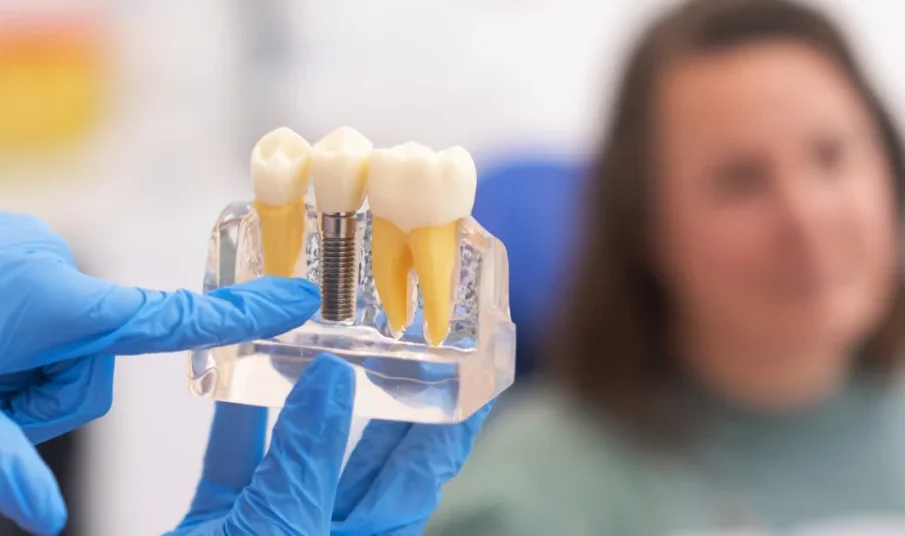
Dental implants, which provide stability, comfort, and a natural appearance that complements contemporary lifestyles, have emerged as a dependable alternative for replacing lost teeth. Implant care is just as crucial as the treatment itself in London, where patients frequently juggle hectic schedules with high expectations for long-term outcomes.
A well-placed implant can last decades, but only if it is supported by consistent maintenance and informed daily habits. This article looks beyond the surgical phase to focus on practical, evidence-based guidance that helps implants remain healthy over the long term. Patients researching dental implant London services often focus on cost and aesthetics, yet longevity depends on decisions made every day after treatment. Understanding how implants interact with oral tissues, how lifestyle choices influence outcomes, and when professional input is essential can make the difference between an implant that simply functions and one that remains stable and comfortable for years.
On this point, Dr Sahil Patel, a cosmetic dentist at MaryleboneSmileClinic, notes that London dental implant aftercare is often underestimated. He advises patients to take time to understand maintenance expectations and to follow personalised guidance provided at review appointments. For those seeking further background information, he suggests patients visit this site or explore the clinic’s website to better understand how implant care fits into wider oral health planning, and encourages individuals to click here for educational resources before and after treatment.
Tip 1: Prioritise gum health as much as the implant itself
Long-term implant success relies heavily on the health of the surrounding gum and bone rather than the implant fixture alone. Unlike natural teeth, implants do not have periodontal ligaments, which means infections around them can progress quietly if not monitored. Healthy gums form a tight seal around the implant, protecting the underlying bone from bacteria. Daily brushing should focus gently but thoroughly on the gum margins, using a soft-bristled brush to avoid irritation. Many clinicians recommend electric toothbrushes with pressure sensors, as these reduce the risk of overbrushing while improving plaque removal.
Flossing or using interdental brushes is equally important, especially where implants replace molars or support bridges. Food debris trapped around implant crowns can encourage inflammation, leading to peri-implant mucositis and, in more advanced cases, peri-implantitis. These conditions are a leading cause of late implant failure but are largely preventable with consistent care. Patients should also be aware that bleeding around implants is not normal and should prompt professional review. By treating gum care as a central part of implant maintenance, rather than an optional extra, patients can significantly extend the functional life of their restorations.
Tip 2: Maintain a professional cleaning schedule tailored to implants
Routine dental visits are not interchangeable once implants are in place. Professional cleaning for implants requires specific instruments and techniques that protect the implant surface while effectively removing plaque and calculus. Standard metal scalers used for natural teeth can damage implant coatings, increasing bacterial adhesion over time. For this reason, implant patients should ensure their hygienist is aware of their restorations and trained in implant maintenance protocols.
The frequency of professional cleaning varies depending on individual risk factors such as smoking history, diabetes, or previous gum disease. While many patients attend every six months, others benefit from three- or four-month intervals. These visits allow early detection of subtle changes in gum health or bite alignment that may not cause immediate discomfort but can compromise implant stability if left unaddressed. Regular radiographs may also be recommended to monitor bone levels around the implant. Patients who view these appointments as preventive rather than reactive tend to experience fewer complications and lower long-term costs associated with implant care.
Tip 3: Protect implants from excessive bite forces
Although dental implants are designed to withstand normal chewing forces, they are not immune to damage from excessive pressure. Bruxism, or teeth grinding, is a common issue in urban populations and can place significant stress on implant components. Unlike natural teeth, implants lack shock-absorbing ligaments, meaning forces are transferred directly to the bone and implant interface. Over time, this can lead to screw loosening, crown fracture, or bone loss.
Patients who clench or grind their teeth, particularly at night, may be advised to wear a custom-made occlusal guard. This appliance helps distribute forces evenly and protects both implants and natural teeth. Bite assessments are also important following implant placement, as minor discrepancies can develop as the mouth adapts to new restorations. Prompt adjustment ensures that implants are not subjected to uneven loading. Being mindful of habits such as chewing ice, opening packaging with teeth, or biting hard objects further reduces unnecessary strain and contributes to long-term implant stability.
Tip 4: Understand the role of lifestyle choices in implant longevity
Lifestyle factors play a measurable role in how well implants perform over time. Smoking remains one of the most significant risk factors for implant complications, as it impairs blood flow and slows healing in gum and bone tissues. Even after successful integration, smokers face higher rates of peri-implant disease compared with non-smokers. Reducing or stopping smoking can markedly improve long-term outcomes.
Diet also influences implant health. A balanced intake of calcium, vitamin D, and protein supports bone maintenance, while excessive sugar consumption increases the risk of gum inflammation. Alcohol, when consumed in moderation, is generally not problematic, but heavy intake can affect healing and oral hygiene routines. Stress management is another often overlooked factor, as stress can exacerbate bruxism and reduce immune response. Patients considering a dental implant London consultation are increasingly advised to discuss these broader health considerations as part of a comprehensive treatment plan, recognising that implants are part of the body, not isolated mechanical devices.
Tip 5: Act early when changes or discomfort appear
One of the advantages of modern implant dentistry is the ability to identify and address problems before they become serious. However, this depends on patients recognising early warning signs and seeking advice promptly. Symptoms such as persistent soreness, swelling, bleeding on brushing, or a feeling that the implant crown is moving should never be ignored. While implants themselves cannot decay, the tissues supporting them are vulnerable to infection and mechanical stress.
Early intervention often involves simple measures such as improved hygiene techniques, professional cleaning, or minor adjustments to the restoration. Delaying assessment can allow minor inflammation to progress into bone loss, which is more complex to manage. Patients sometimes assume discomfort is part of normal adaptation, particularly years after placement, but any change from the usual baseline warrants review. Establishing a habit of reporting concerns early supports a conservative approach to care and preserves both the implant and surrounding structures.
Tip 6: Commit to long-term monitoring, not short-term fixes
Implant treatment should be viewed as a long-term investment rather than a one-off solution. Even well-integrated implants benefit from periodic reassessment to ensure they continue to function harmoniously within the bite and oral environment. Over time, natural teeth may shift, restorations may wear, and general health can change, all of which influence implant performance. Long-term monitoring allows clinicians to anticipate these changes and adapt care accordingly.
This commitment extends beyond the dental chair. Patients who remain engaged with their oral health, update their dentist on medical changes, and adhere to recommended care routines tend to experience the most predictable outcomes. While implants are highly durable, their success reflects a partnership between professional expertise and patient responsibility. By approaching implant care as an ongoing process, rather than a completed procedure, individuals can enjoy stable, comfortable results that support both function and confidence well into the future.


