Eight Professional Tips for Keeping Daylilies Vigorous for Decades
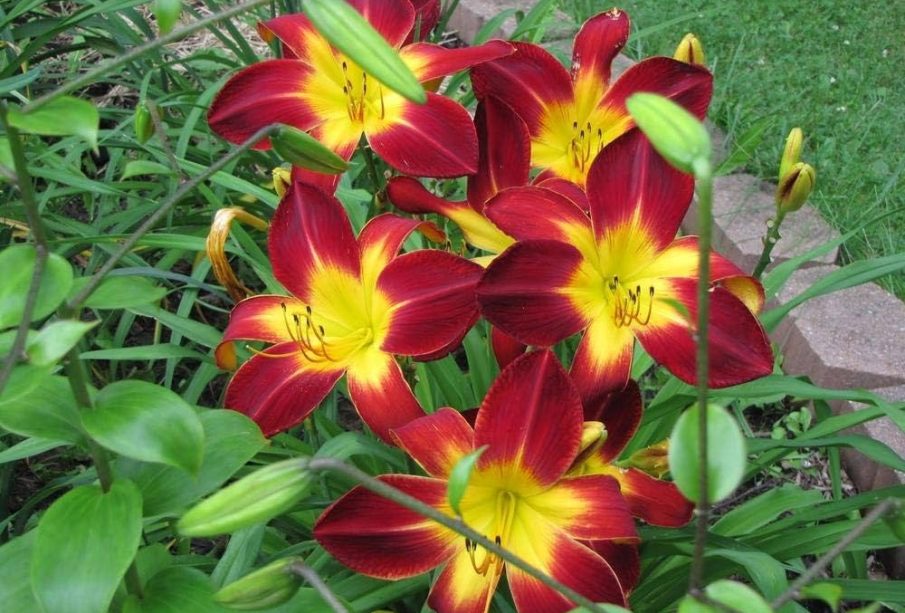
Daylilies (Hemerocallis) are among the most dependable perennials in British gardens. Their graceful arching foliage and colourful blooms are familiar to many gardeners, yet maintaining their vigour through the decades involves more than planting and occasional watering. This article offers eight professional strategies to ensure your daylilies remain healthy, floriferous, and resilient year after year.
It’s worth considering not only how to maintain established plants but also where to source quality specimens. For gardeners expanding or renewing their collection, Daylily plants for sale represent a starting point for vigorous, well-bred cultivars suited to UK growing conditions. Reflecting on the subject, the premier grower at SwallowtailDaylilies offers this practical advice: “Choosing robust, well-rooted plants from reputable sources lays the foundation for longevity. Good plant health at the outset simplifies every subsequent cultivation decision.”
Daylily Biology and Lifecycle
Daylilies are perennial flowering plants renowned for their adaptability and relatively low maintenance, but to maintain vigour over decades, it helps to understand their biology. Unlike true lilies, daylilies are herbaceous perennials with fibrous roots and a crown from which foliage and scapes emerge each growing season. The flowers of daylilies typically last only one day—hence the common name—yet many cultivars produce successive blooms over several weeks during summer.
Their hardy nature means they can tolerate a range of soil types and climatic fluctuations, yet this resilience should not be mistaken for indifference to care. Daylilies form clumps that can expand over time, and as they age, these clumps can become congested. Crowding restricts airflow and nutrient uptake, leading to slower growth and reduced bloom performance. Regular management that considers growth patterns, root development, and seasonal cycles will prolong plant vigour.
An early step in long-term care involves choosing an appropriate site. Daylilies flourish in positions that receive good sunlight—ideally six hours or more daily—as light directly influences the number of blooms and energy stored in roots. Soil should be well-drained yet moisture-retentive, balanced in nutrients without being overly fertile; excessive nitrogen, for example, can lead to lush foliage at the expense of flowers. By aligning planting conditions with the species’ natural preferences, you set the stage for a robust, long-lived daylily clump.
Understanding the plant’s lifecycle also informs seasonal care. In spring, emerging shoots capture growth early in the year, using stored energy from the previous season. Mid-summer sees the main flowering period; after this, it is vital to support energy reallocation back into the roots and crown. As autumn approaches, daylilies shift into a preparatory phase for winter dormancy. Recognising these phases allows gardeners to apply the correct cultural practices at the right times, enhancing plant vigour over decades.
Soil Preparation and Planting for Longevity
Soil preparation is the cornerstone of long-term daylily health. Many gardeners underestimate how crucial a well-structured soil is to perennial success. Before planting, invest time in improving soil texture and fertility. Daylilies are resilient but benefit from a soil that balances drainage with nutrient availability and water retention.
Begin by testing the garden soil to understand its pH and nutrient profile. Daylilies prefer a slightly acidic to neutral pH (around 6.0–7.0). If soil tests indicate extreme acidity or alkalinity, adjust with organic matter or amendments such as lime or sulphur as appropriate. Organic matter—well-rotted compost or leaf mould—should be integrated into the planting area to enhance soil structure and microbial activity. This organic foundation supports root development and resilience, essential for plants you hope to last decades.
When planting, ensure the crown sits just at or slightly below soil level. Placing crowns too deeply can hinder emergence and increase the risk of rot; too shallow, and roots may dry out more readily. Space plants appropriately—typically 30–45 cm (12–18 in) apart—to allow room for clump expansion. Good spacing also improves air circulation, reducing disease pressures.
Mulching around newly planted and established daylilies offers multiple benefits: moderating soil temperatures, conserving moisture, suppressing weeds that compete for resources, and gradually improving soil organic matter as it breaks down. Apply mulch in early spring and refresh as necessary, taking care not to bury the crown. Well-planned soil preparation and mindful planting help daylilies establish strong root systems that support vigorous growth for many years.
Watering and Nutrient Management
Appropriate watering is essential for long-lived daylilies. While these plants are tolerant of short dry spells, consistent moisture during critical growth periods encourages healthy foliage and abundant flowering. Newly planted daylilies need regular watering until they become established; afterwards, deep watering during dry periods is beneficial, especially in summer when blooms are forming.
Irrigation practices should aim for deep soil penetration rather than frequent light watering. Deep watering encourages roots to grow downward rather than remaining near the surface, which supports stability and drought resilience. Use a soaker hose or drip irrigation where possible to deliver water directly to the soil and minimise foliar wetness, which can promote fungal issues.
Nutrient management ties closely to watering. Daylilies do not require heavy feeding, but balanced nutrition helps sustain them over time. In early spring, a slow-release fertiliser formulated for perennials can support the initial flush of growth. Throughout the growing season, compost or well-rotted manure applied as a top dressing enriches soil structure and provides a steady supply of nutrients. Avoid over-fertilisation with high-nitrogen feeds, as this may encourage foliage at the expense of bloom production.
Observing plants for signs of nutrient deficiency—such as chlorotic leaves or stunted growth—can guide supplementary feeding. A soil test every few years will inform whether micronutrient supplementation is beneficial. By combining thoughtful watering with measured nutrient inputs, gardeners can maintain daylily health across seasons and decades.
Dividing and Thinning for Renewed Vigour
Over time, daylily clumps can become overcrowded. When this happens, internal fans (leaf clusters) compete for light and nutrients, and flowering may diminish. Division is the most effective way to rejuvenate congested clumps, typically carried out every three to five years.
The best time to divide daylilies in the UK is in early spring or after flowering in late summer to early autumn. Lift the clump with a fork, gently tease apart roots, and identify healthy fans with robust roots. Discard old, woody centre sections and replant vigorous divisions at proper spacing. Established divisions can also be shared with other parts of the garden or gifted to fellow gardeners, ensuring the propagation of well-loved cultivars.
Dividing not only improves flowering but also reduces disease prevalence by improving airflow within the plantings. When replanting, ensure each division receives the same careful soil preparation discussed earlier. Water thoroughly after division and monitor for signs of transplant stress; newly divided daylilies often benefit from a light mulch and attentive watering until re-established.
Pest and Disease Awareness
Daylilies are generally hardy and resilient to many pests and diseases, yet vigilance is key to maintaining vigour. Common pests include aphids and slugs, which may be controlled through physical removal or environmentally responsible treatments. Encouraging beneficial insects and maintaining clean garden hygiene—removing spent foliage and debris—reduces pest habitat.
Fungal diseases such as leaf streak or crown rot can arise in poorly ventilated or overly wet conditions. Ensuring adequate spacing, avoiding overhead watering, and improving soil drainage mitigates these risks. If fungal issues occur, targeted fungicidal treatments may be applied, though cultural controls are typically effective at prevention.
Monitoring for signs of stress, such as discoloured leaves or an abrupt decline in flowering, allows for early intervention. Integrated pest management strategies—combining cultural, physical, and biological controls—support long-term plant health while minimising chemical use. Prioritising prevention and early detection keeps daylilies vigorous and flourishing.
Seasonal Maintenance and Winter Care
Understanding and responding to seasonal changes prolongs daylily vigour. In spring, remove winter mulch to allow new shoots to emerge. Trim away dead foliage to reduce disease risk and encourage fresh growth. As buds develop in late spring and early summer, routine inspection ensures that watering and support stakes (where needed) maintain plant posture through the bloom period.
After flowering, deadhead spent scapes to conserve plant energy. Allowing the plant to direct resources back into the crown and roots rather than seed production contributes to long-term health. In late autumn, a light mulch layer helps protect roots from frost heave and temperature extremes, yet avoid burying crowns deeply as this can encourage rot.
Winter care varies with local conditions; in milder regions, daylilies may not require significant protection, while in colder areas a protective mulch layer helps maintain stable soil temperatures. Understanding local climate patterns and adjusting care routines ensures plants remain robust across changing seasons.
Long-Term Planning and Cultivar Selection
Selecting cultivars suited to your garden’s conditions influences long-term success. Daylilies vary in height, bloom time, foliage type (dormant, evergreen, semi-evergreen), and colour. Choosing a diverse range of cultivars extends flowering periods and enhances resilience through genetic variation. Reliable suppliers and expert growers are valuable sources of information when selecting plants.
For gardeners seeking a range of quality plants, exploring reputable sources of Daylily plants for sale can expand collections with varieties bred for vigour and adaptability.
Consider grouping plants with similar cultural needs and bloom times together for ease of care. Keeping records of bloom performance and plant behaviour over the years supports informed decisions about future planting and division. A long-term perspective, combined with attentive care, ensures daylilies continue to be a highlight of your garden for many decades.
Maintaining daylilies for long-term vigour is both a science and an art. With thoughtful site selection, soil preparation, watering, nutrition, division, pest management, and seasonal care, gardeners can enjoy vigorous plants year after year. The enduring appeal of daylilies lies not only in their flowers but in their resilience; applying these professional tips will ensure that your daylilies remain thriving features of your garden landscape for decades to come.