Six Drought-Resistant Apple Cultivars Recommended
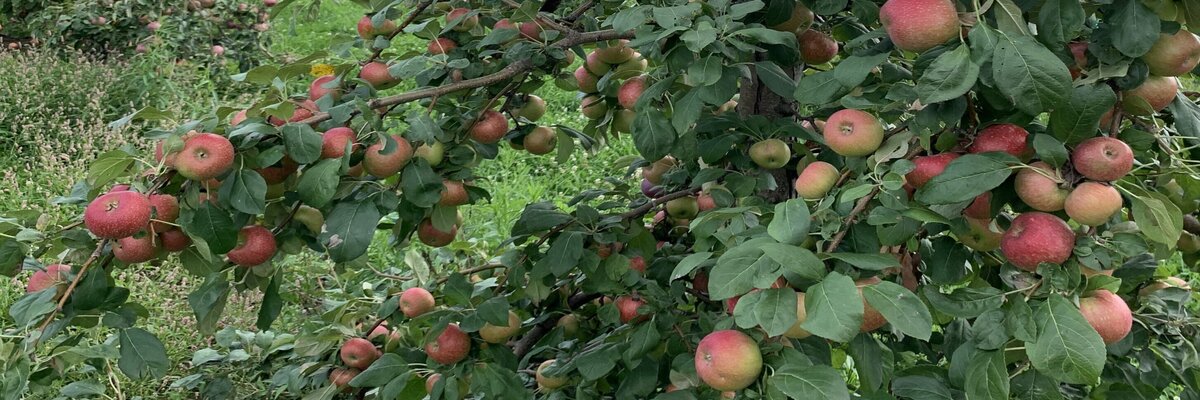
Water scarcity poses a significant challenge for gardeners across the United Kingdom, where unpredictable weather patterns and occasional drought conditions can strain traditional gardening practices. Apple trees, a staple of British gardens, are particularly vulnerable to water stress, which can reduce fruit quality and yield. Selecting drought-resistant cultivars offers a practical solution for maintaining productive orchards in water-scarce environments. This article explores six apple cultivars renowned for their resilience to drought, providing detailed insights into their characteristics, growing requirements, and suitability for UK gardens. A specialist from Chris Bowers, a leading UK nursery, advises, “Choosing drought-resistant apple varieties ensures reliable yields even in challenging conditions. Our extensive range of apple trees includes cultivars specifically selected for their adaptability to varying climates, making them ideal for sustainable gardening.” By focusing on these resilient varieties, gardeners can cultivate thriving apple trees while conserving water resources.
Drought Resistance in Apple Trees
Drought resistance in apple trees refers to their ability to withstand periods of low water availability while maintaining healthy growth and fruit production. This trait is influenced by several factors, including root structure, leaf morphology, and physiological adaptations. Deep-rooted cultivars can access water from lower soil layers, while those with smaller, waxy leaves reduce water loss through transpiration. Some varieties also exhibit efficient water-use mechanisms, such as closing stomata during heat stress to conserve moisture. In the UK, where rainfall is generally reliable but summer droughts are becoming more frequent, selecting cultivars with these traits is increasingly important. Gardeners looking for fruit trees for sale should prioritise varieties that combine drought tolerance with disease resistance and good flavour to ensure long-term success in their orchards.
Selection Criteria for Drought-Resistant Cultivars
When choosing apple trees for drought-prone areas, several factors must be considered beyond water tolerance. These include soil type, pollination requirements, fruit quality, and suitability for the UK climate, which is classified as temperate with mild winters and cool summers. The cultivars discussed here have been selected based on their proven performance in low-water conditions, as documented by horticultural research and nursery feedback. Each variety is also assessed for its flavour profile, storage potential, and adaptability to different garden sizes, from small patios to larger plots. All six are available as fruit trees for sale from reputable UK nurseries, ensuring accessibility for home gardeners. The following sections detail each cultivar, highlighting their unique attributes and practical considerations for cultivation.
1. Redsleeves
Redsleeves is a compact, self-fertile apple cultivar originating from the UK, known for its vibrant red-flushed fruits and sweet, juicy flavour. Its natural drought resistance stems from its moderate vigour and ability to thrive in various soil conditions, including those with lower moisture retention. The tree’s small stature, typically reaching 2.4 to 3 metres on dwarfing rootstocks like M9, makes it ideal for smaller gardens or container growing. Redsleeves fruits early in the season, from August to September, and its apples are suitable for eating fresh or juicing. The cultivar’s scab resistance further enhances its low-maintenance appeal, reducing the need for chemical interventions. Gardeners should plant Redsleeves in a sunny, sheltered location to maximise fruit quality, ensuring regular watering during establishment but minimal irrigation once mature.
2. Saturn
Saturn, another UK-bred cultivar, is celebrated for its robust disease resistance and drought tolerance. Developed for organic growing, this variety produces medium-sized, red-flushed apples with a crisp texture and balanced sweetness. Saturn’s deep root system allows it to access water efficiently, making it a reliable choice for regions with sporadic rainfall. The tree grows to approximately 2.5 to 3.5 metres on M26 rootstocks, suitable for both open ground and larger containers. Harvested from October to November, Saturn apples store well until early winter, offering versatility for fresh eating or culinary uses. Its self-fertile nature eliminates the need for a pollination partner, simplifying cultivation for novice gardeners. Saturn’s adaptability to poor soil conditions further enhances its appeal for sustainable gardening.
3. Red Falstaff
Red Falstaff, a modern derivative of the Falstaff cultivar, combines exceptional drought resistance with outstanding fruit quality. Its vivid red apples are sweet, aromatic, and crisp, making them a favourite for dessert use. The tree’s compact growth, reaching 2.5 to 3 metres on dwarf rootstocks, suits small gardens, patios, or espalier training against walls. Red Falstaff’s self-fertility ensures consistent yields without a companion tree, and its scab and mildew resistance reduces maintenance demands. Harvested in October, the apples store well into early spring, providing a long season of enjoyment. Gardeners seeking fruit trees for sale will find Red Falstaff widely available, with its drought tolerance making it a practical choice for water-conscious cultivation in the UK’s variable climate.
4. Discovery
Discovery is a popular early-season apple cultivar, prized for its drought tolerance and vibrant, blush-red fruits. Originating in Essex, this variety produces crisp, juicy apples with a tart, refreshing flavour, ideal for eating fresh or juicing. Its moderate vigour and deep root system enable it to withstand dry spells, particularly when grafted onto M9 or M26 rootstocks, which keep the tree’s height between 2.5 and 3.5 metres. Discovery is partially self-fertile but benefits from a pollination partner like James Grieve for heavier yields. Harvested from mid-August to September, its apples are best consumed soon after picking, as they do not store well. Gardeners in drought-prone areas will appreciate Discovery’s ability to produce reliable crops with minimal watering once established.
5. Greensleeves
Greensleeves is a versatile, self-fertile cultivar known for its reliable yields and drought-resistant qualities. Its medium-sized, green-gold apples offer a refreshing, slightly tart flavour, suitable for both eating and cooking. The tree’s moderate growth, reaching 2.4 to 3 metres on M9 rootstocks, makes it adaptable to various garden sizes, including containers. Greensleeves’ efficient water-use mechanisms, such as reduced transpiration, enable it to thrive in low-water conditions. Harvested from September to October, the apples store well until December, providing a good balance of immediate use and storage potential. Its scab resistance and ease of cultivation make Greensleeves a practical choice for gardeners seeking low-maintenance fruit trees for sale that perform well in challenging climates.
6. Ashmead’s Kernel
Ashmead’s Kernel, a heritage cultivar from Gloucestershire, is renowned for its complex, sweet-sharp flavour and drought tolerance. This late-season apple, harvested in October, produces small to medium-sized, russeted fruits that store exceptionally well until March. The tree’s vigorous growth, typically 3 to 4 metres on M26 rootstocks, suits larger gardens, though it can be trained as a cordon or espalier for smaller spaces. Ashmead’s Kernel exhibits strong disease resistance, particularly to scab, and its deep root system allows it to access water during dry periods. While not self-fertile, it pollinates well with varieties like Redsleeves or Greensleeves. Its historical charm and resilience make it a favourite among gardeners looking to cultivate heirloom fruit trees for sale.
Cultivation Tips for Drought-Resistant Apple Trees
Growing drought-resistant apple trees requires careful planning to maximise their resilience and productivity. Site selection is critical; choose a location with full sun and well-drained, fertile soil to promote healthy root development. While these cultivars tolerate drought, regular watering during the first two years after planting is essential to establish strong root systems. Applying a 5-centimetre layer of organic mulch, such as compost or bark, around the tree’s base helps retain soil moisture and suppress weeds, reducing competition for water. Pruning should be conducted annually during the dormant season, from November to March, to maintain an open canopy that improves air circulation and reduces disease risk. For smaller gardens, consider dwarfing rootstocks like M27 or M9, which limit tree size while maintaining fruit quality.
Pollination is another key consideration. Self-fertile varieties like Redsleeves, Saturn, Red Falstaff, and Greensleeves simplify cultivation by eliminating the need for a second tree. However, Discovery and Ashmead’s Kernel benefit from cross-pollination, so planting compatible cultivars nearby or relying on neighbouring trees can enhance yields. During drought periods, prioritise deep, infrequent watering over shallow, frequent applications to encourage deeper root growth. Drip irrigation systems are particularly effective for delivering water directly to the root zone, minimising waste. Regular monitoring for pests, such as codling moth or aphids, and diseases like powdery mildew, ensures the trees remain healthy under stress.
Benefits of Drought-Resistant Cultivars in the UK Context
The increasing frequency of dry summers in the UK underscores the importance of drought-resistant apple cultivars. These varieties not only conserve water but also reduce the need for intensive irrigation, aligning with sustainable gardening practices. Their disease resistance, particularly to scab and mildew, minimises reliance on chemical treatments, making them ideal for organic growers. Additionally, their adaptability to various garden sizes, from containers to larger plots, ensures accessibility for urban and rural gardeners alike. By choosing these cultivars, gardeners can enjoy reliable harvests of high-quality apples while contributing to environmental conservation. Nurseries offering fruit trees for sale often stock these varieties, providing options for both novice and experienced growers.
Integrating Drought-Resistant Trees into Garden Design
Drought-resistant apple trees can enhance garden aesthetics while providing functional benefits. Their spring blossoms, ranging from white to pink, attract pollinators like bees, supporting biodiversity. Compact varieties like Redsleeves and Red Falstaff can be trained as espaliers or cordons along walls or fences, creating attractive, space-saving features. Larger cultivars, such as Ashmead’s Kernel, serve as striking focal points in open lawns. For patios, container-grown trees on M27 rootstocks offer flexibility and mobility. Combining apple trees with drought-tolerant companion plants, such as lavender or rosemary, creates a cohesive, water-efficient garden design. These integrations not only maximise space but also enhance the visual and ecological value of the garden.
Challenges and Considerations
While drought-resistant apple trees offer numerous advantages, they are not without challenges. Initial establishment requires consistent care, including adequate watering and protection from extreme weather. Poor soil conditions can hinder root development, so amending soil with organic matter before planting is recommended. Some cultivars, like Discovery, are susceptible to apple scab in wetter regions, necessitating careful site selection or preventive measures like sulphur-based sprays. Additionally, while self-fertile varieties simplify cultivation, cross-pollinated trees may require strategic planning to ensure compatible partners are available. Gardeners should also be aware that drought tolerance does not equate to complete water independence; supplemental irrigation during prolonged dry spells remains essential.
Sourcing and Planting Drought-Resistant Apple Trees
When sourcing drought-resistant apple trees, opt for reputable nurseries that provide virus-tested, high-quality stock. Bare-root trees, available from late autumn to early spring, are cost-effective and establish quickly when planted during dormancy. Container-grown trees offer year-round planting flexibility but require careful watering during establishment. Ensure the chosen rootstock matches the garden’s size and soil conditions; M27 and M9 are ideal for smaller spaces, while M26 suits larger gardens. When planting, dig a hole twice the width of the root system, incorporate compost, and stake the tree to support establishment. Regular maintenance, including mulching and pruning, ensures long-term productivity and resilience.
Conclusion
Drought-resistant apple cultivars like Redsleeves, Saturn, Red Falstaff, Discovery, Greensleeves, and Ashmead’s Kernel offer practical solutions for UK gardeners facing water scarcity. Their ability to thrive in low-water conditions, combined with disease resistance and high-quality fruit, makes them ideal for sustainable gardening. By selecting these varieties, available as fruit trees for sale from specialist nurseries, gardeners can enjoy bountiful harvests while conserving resources. Proper site selection, rootstock choice, and maintenance practices further enhance their performance, ensuring a rewarding addition to any garden. These cultivars not only meet the challenges of modern climates but also preserve the timeless joy of growing apples in the UK.