Travel: An In-Depth Guide to Exploring the World
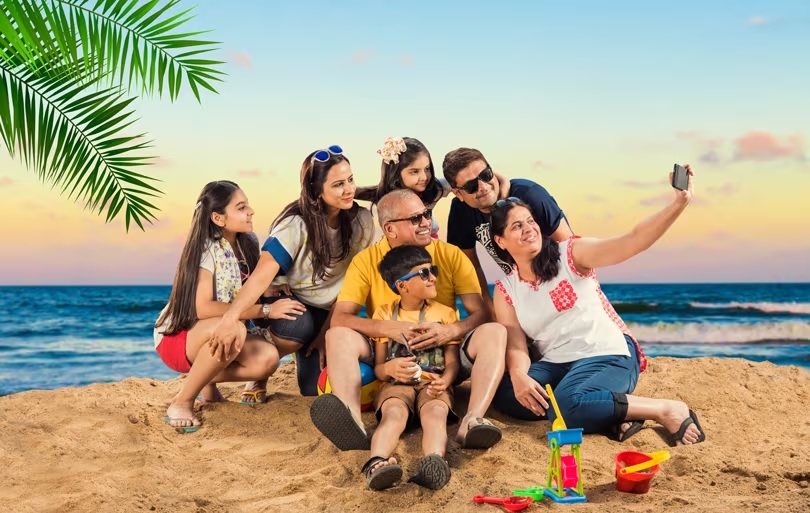
Travel is more than just moving from one place to another; it is an experience that shapes perspectives, enriches cultures, and builds memories that last a lifetime. For many, the joy of travel lies not only in discovering new destinations but also in embracing the journey itself. Whether you are planning your first international adventure or are a seasoned globetrotter, understanding the intricacies of travel can transform ordinary trips into unforgettable experiences.
Why Travel Matters
Travelling offers opportunities to step outside familiar surroundings and immerse yourself in the unknown. It broadens horizons, teaches resilience, and encourages adaptability. Beyond personal growth, travel fosters global awareness by connecting people with diverse communities, traditions, and landscapes.
Importantly, it also promotes mental wellbeing. Taking a break from routine reduces stress, inspires creativity, and gives space for self-reflection. Many travellers report returning home not just refreshed, but with new insights into their own lives.
Planning Your Journey
Good travel begins long before departure. A well-structured plan ensures a smoother experience and helps maximise enjoyment.
Researching Destinations
Choosing the right destination is crucial. Consider factors such as:
-
Climate and weather patterns during your travel period
-
Local festivals or events that could enhance your trip
-
Accessibility and transport options
-
Cultural norms and customs you should respect
For instance, if visiting a country with a strong cultural heritage, learning about dress codes or dining etiquette beforehand shows respect and helps avoid misunderstandings.
Budgeting Effectively
Finances play a major role in shaping the quality of a trip. To budget smartly:
-
Allocate funds for essentials such as accommodation, transport, and meals
-
Set aside a contingency fund for emergencies
-
Track exchange rates to make the most of currency conversions
-
Balance between luxury splurges and affordable local experiences
Booking Accommodation and Flights
Advance bookings often result in better deals and peace of mind. Compare different accommodation types such as hotels, hostels, serviced apartments, or homestays. Each offers unique benefits, from comfort and privacy to affordability and cultural immersion.
When booking flights, consider layovers, baggage allowances, and flight duration. Sometimes, paying slightly more for a direct route saves both time and energy.
Types of Travel Experiences
No two travellers are alike, and the type of journey you choose can define your overall experience.
Adventure Travel
Adventure travel is perfect for thrill-seekers. Activities such as trekking, scuba diving, skiing, or wildlife safaris challenge limits and create extraordinary memories. These trips often demand physical preparation, but the reward lies in experiencing nature in its rawest form.
Cultural Travel
For those drawn to history, art, and heritage, cultural travel provides opportunities to connect with traditions, festivals, and architecture. Exploring museums, historical sites, and local performances offers insight into the soul of a destination.
Leisure and Relaxation
Sometimes, travel simply means slowing down. Beach resorts, spa retreats, and countryside escapes provide the perfect setting to recharge. These trips are about unwinding and appreciating the simple joys of life.
Sustainable Travel
Sustainable travel has gained momentum as more people recognise the impact of tourism on the environment. Choosing eco-friendly accommodation, supporting local businesses, and minimising waste ensures your journey benefits both you and the communities you visit.
Making the Most of Your Travels
Immersing in Local Life
Engage with locals through community events, markets, or homestays. Trying traditional cuisine or learning basic phrases in the native language fosters deeper connections and creates authentic experiences.
Staying Safe
Safety is a priority for any traveller. Keep digital and physical copies of important documents, share itineraries with family, and be mindful of local laws. Avoid displaying valuables openly, and always trust your instincts.
Health and Wellbeing on the Road
Travel often disrupts routines, but maintaining health is key. Stay hydrated, eat balanced meals, and adapt to local food gradually. Carry a basic medical kit, and ensure your travel insurance covers medical emergencies.
Travel Technology and Tools
Technology has revolutionised the way people travel. From booking platforms to navigation apps, digital tools simplify planning and enhance convenience. Some useful tools include:
-
Currency converters for real-time exchange rates
-
Offline maps for navigation in remote areas
-
Translation apps for bridging language barriers
-
Travel organisers for managing itineraries and bookings
Frequently Asked Questions
How can I make travel more affordable?
Affordable travel is achievable through early bookings, travelling off-peak, and choosing destinations with favourable exchange rates. Opting for public transport and street food can also help stretch your budget.
What should I pack for an international trip?
Packing depends on your destination, but essentials include travel documents, versatile clothing, chargers, toiletries, and a basic medical kit. Packing light allows greater mobility and reduces baggage fees.
Is solo travel safe?
Yes, solo travel can be safe with proper precautions. Research your destination, stay in reputable accommodations, and maintain regular communication with family or friends.
How do I deal with language barriers abroad?
Learning key phrases, using translation apps, and carrying written addresses can bridge communication gaps. Locals often appreciate the effort, even if your pronunciation is not perfect.
What are the benefits of slow travel?
Slow travel emphasises quality over quantity. Staying longer in fewer places allows deeper immersion into local culture, stronger connections with communities, and a more relaxed pace.
How do I travel sustainably?
To travel sustainably, support eco-friendly businesses, reduce plastic use, respect wildlife, and prioritise public transport. Small actions collectively reduce the environmental impact of tourism.