Travel Photography Tips for Beginners
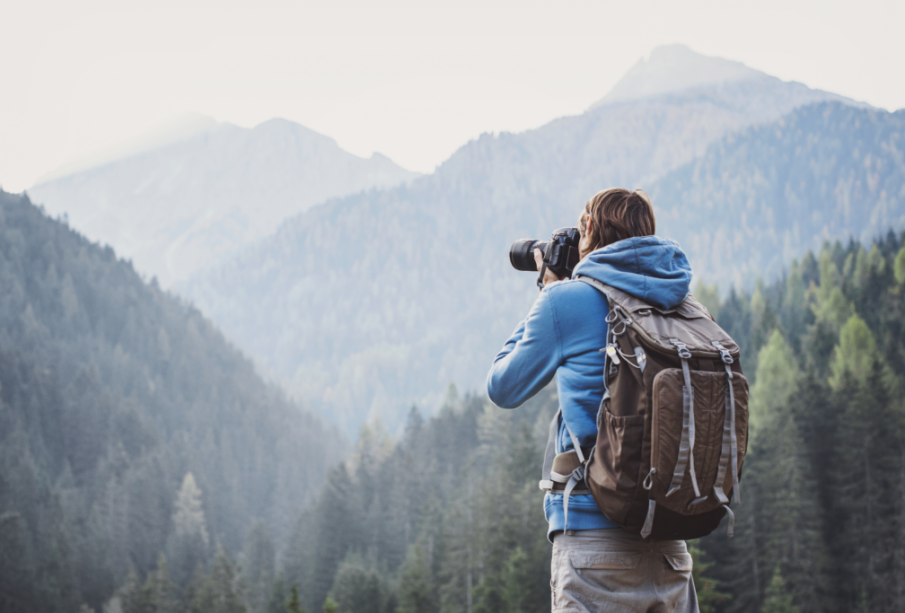
Travel photography is about more than snapping pictures—it’s about telling stories through images. Whether you’re exploring a nearby town or flying across the world, the right approach can help you capture moments that feel authentic, emotional, and memorable. This guide breaks down practical, beginner-friendly tips to help you improve your travel photos from day one.
Understand Your Camera Before You Travel
You don’t need expensive gear to take great photos, but you do need to understand what you have.
Spend time learning:
- How to adjust ISO, aperture, and shutter speed
- When to use auto mode vs manual or aperture priority
- How focus modes work, especially for moving subjects
Confidence with your camera means fewer missed shots and less stress while traveling.
Travel Light With the Right Gear
Carrying too much equipment can slow you down and kill creativity. Beginners should aim for simplicity and flexibility.
Essential gear checklist:
- One versatile lens (a 24–70mm or 18–55mm is ideal)
- Extra batteries and memory cards
- Lightweight tripod (optional, but useful for low light)
- Camera cleaning cloth
A lighter bag helps you move freely and stay alert to spontaneous moments.
Learn to See the Light
Lighting can make or break a photograph. Understanding it will instantly elevate your work.
Key lighting tips:
- Shoot during golden hour (early morning or late afternoon)
- Avoid harsh midday sun unless you want dramatic contrast
- Use shadows and reflections creatively
- On cloudy days, embrace the soft, even light for portraits
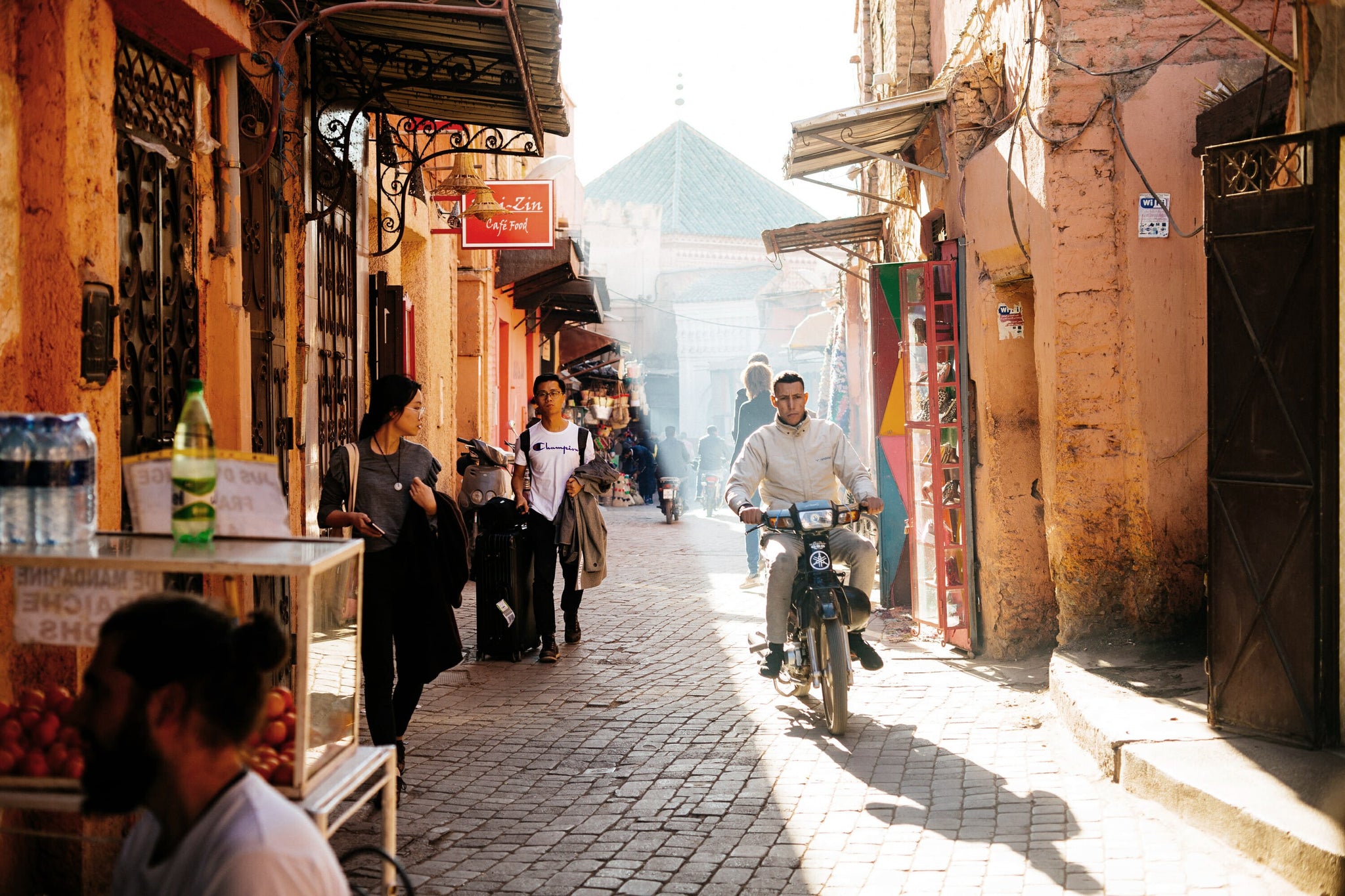
Good light turns ordinary scenes into powerful images.
Focus on Composition, Not Just Subjects
A famous landmark doesn’t guarantee a great photo. How you frame it matters more.
Try these beginner-friendly composition techniques:
- Rule of thirds for balance
- Leading lines (roads, fences, rivers)
- Natural frames like windows or trees
- Including a person to add scale and story
Move your feet, change angles, and experiment before pressing the shutter.
Capture People and Culture Respectfully
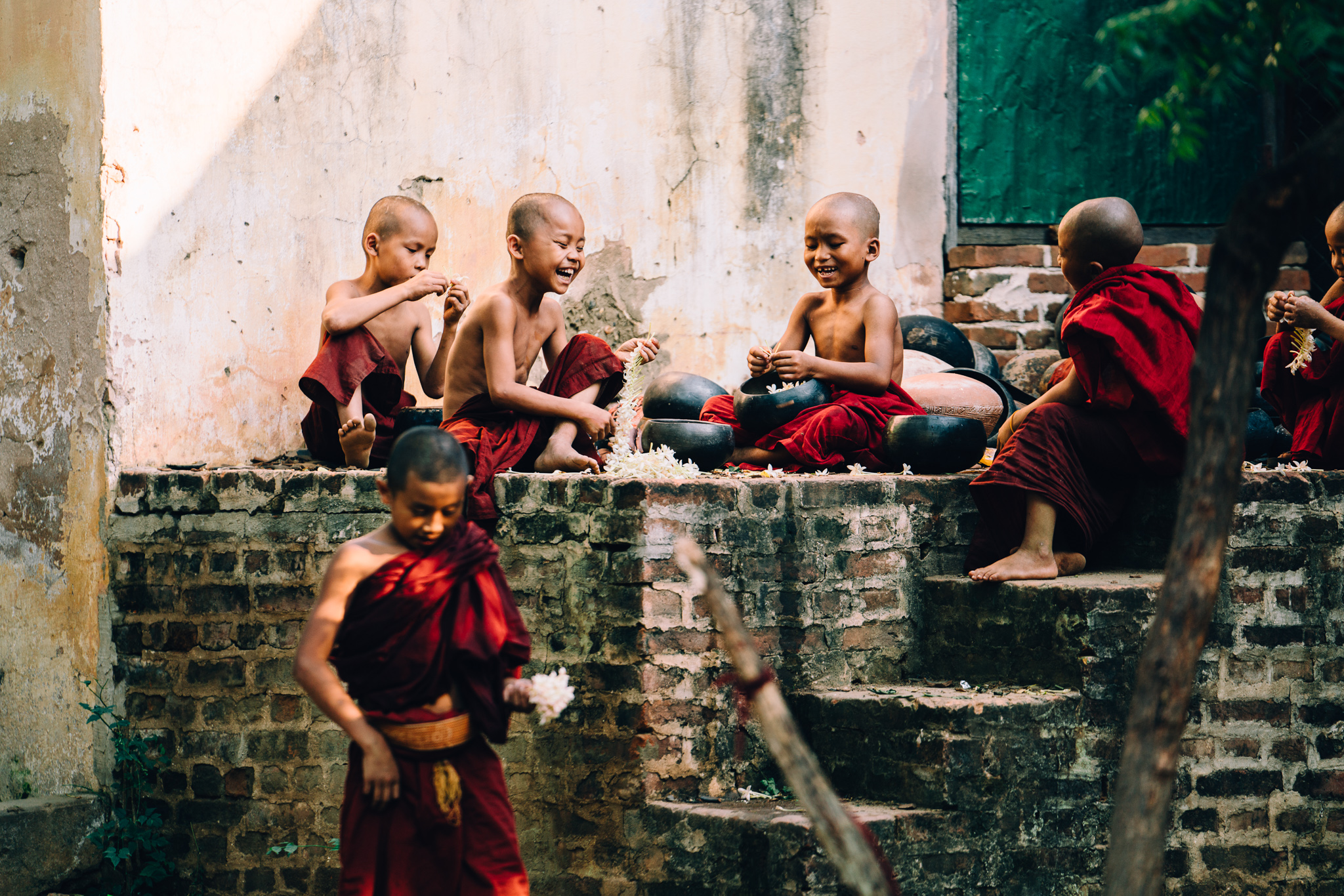
Travel photography shines when it includes human stories. People bring emotion and context to your images.
Best practices:
- Ask permission before taking close-up portraits
- Use a smile or simple gesture when language is a barrier
- Avoid treating people like props
- Show daily life, not just tourist scenes
Respect builds trust—and trust leads to better photographs.

Tell a Story With Your Photos
Instead of isolated shots, think in photo sequences.
A simple visual story might include:
- A wide shot of the location
- Medium shots showing activity
- Close-ups of details (hands, textures, food)
- A closing image that captures mood or emotion
This approach makes your travel photography more engaging and meaningful.
Don’t Overshoot—Be Intentional
It’s tempting to take hundreds of photos, but quality matters more than quantity.
Train yourself to:
- Pause and observe before shooting
- Ask what story you want the image to tell
- Take fewer, more thoughtful frames
Intentional shooting improves both skill and confidence.
Edit With a Light Touch
Editing should enhance reality, not overpower it.
Beginner editing tips:
- Adjust exposure, contrast, and white balance
- Avoid heavy filters and extreme saturation
- Keep skin tones natural
- Maintain a consistent style across photos
Subtle edits create a timeless, professional look.
Practice Patience and Stay Curious
Some of the best travel photos happen when you wait. Light changes, people move, moments unfold.
Slow down, observe your surroundings, and stay curious. The more present you are, the better your images will be.
Frequently Asked Questions
What camera is best for beginner travel photography?
Any modern smartphone, mirrorless, or entry-level DSLR works well. Skill matters more than gear.
Is smartphone photography good enough for travel?
Yes. Smartphones excel in good lighting and are perfect for casual, discreet travel photography.
How do I avoid blurry travel photos?
Use a faster shutter speed, stabilize your camera, and increase ISO slightly in low light.
Should I shoot in RAW or JPEG?
RAW offers more editing flexibility, but JPEG is fine for beginners who want simplicity.
How can I make my travel photos look less “touristy”?
Explore side streets, focus on local life, and shoot early in the morning or late in the day.
How many photos should I take on a trip?
There’s no number. Aim for intentional shots, not endless duplicates.
How long does it take to get good at travel photography?
Improvement comes quickly with practice. Every trip teaches you something new.
Travel photography is a journey in itself. Start simple, stay curious, and let your photos reflect how the world feels—not just how it looks.