Solo Travel Tips for First-Time Travelers
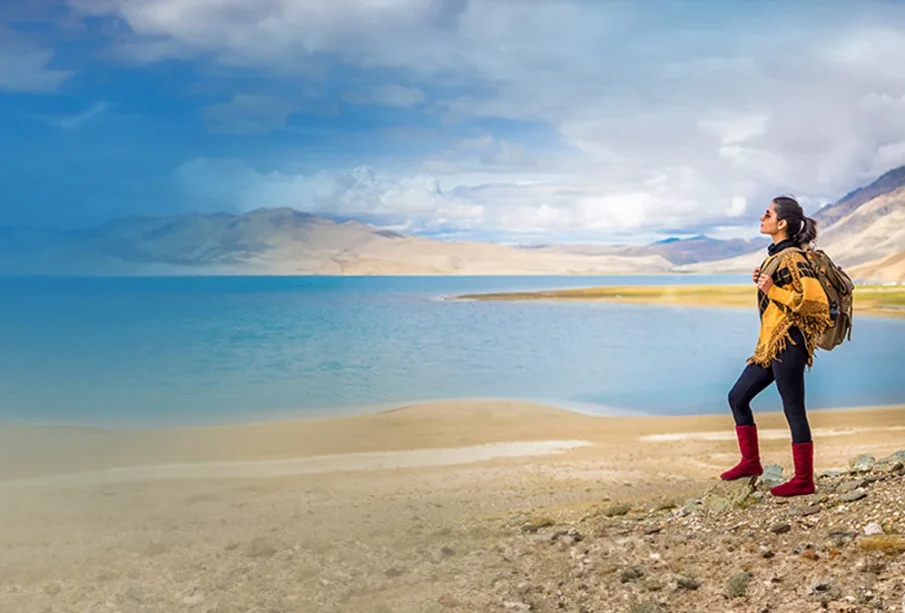
Solo travel can feel intimidating at first, but it’s also one of the most rewarding ways to explore the world. Traveling alone pushes you out of your comfort zone, builds confidence, and gives you full control over your journey. With the right preparation and mindset, your first solo trip can be both safe and unforgettable.
Choose the Right Destination for Your First Trip
Not all destinations are equally beginner-friendly. For your first solo experience, prioritize places known for safety, good infrastructure, and easy transportation.
Look for destinations that offer:
- Reliable public transport
- Clear signage in English or widely spoken languages
- A strong tourism culture
- Plenty of accommodation options
Starting with a well-traveled location helps reduce stress and boosts confidence.
Plan the Essentials—but Leave Room for Flexibility
Overplanning can be just as stressful as no planning at all. Focus on the basics and allow space for spontaneity.
Before you go, make sure you:
- Book your first night’s accommodation
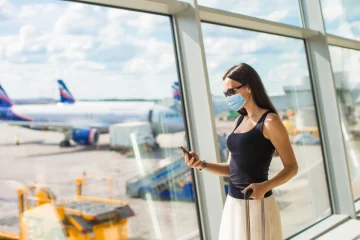
- Know how to get from the airport or station
- Save important addresses offline
- Share your rough itinerary with someone you trust
Once the essentials are covered, let curiosity guide the rest.
Pack Smart and Keep It Light
When traveling alone, you handle everything—so lighter is better.
Smart packing tips:
- Choose versatile clothing you can mix and match
- Bring only essential toiletries
- Use a compact backpack or carry-on suitcase
- Keep valuables in a secure, anti-theft bag
Packing light makes moving around easier and keeps you agile in unfamiliar places.
Prioritize Safety Without Fear
Safety awareness is important, but fear shouldn’t control your experience.
Simple safety habits include:
- Trusting your instincts if something feels off
- Avoiding empty or poorly lit areas at night
- Keeping digital and physical copies of documents
- Not oversharing personal details with strangers
Confidence and awareness are often your best defenses.
Stay Connected and Informed
Being connected doesn’t mean being glued to your phone—it means being prepared.
Helpful tools for solo travelers:
- Offline maps and translation apps
- Local transportation apps
- Emergency contact numbers saved offline
- A portable power bank
Staying informed helps you make better decisions on the go.
Choose Accommodations That Encourage Interaction
Loneliness is one of the biggest worries for first-time solo travelers, but it’s easier to avoid than you think.
Consider staying in:
- Hostels with common areas
- Guesthouses run by locals
- Small hotels with social spaces
- Accommodations offering group activities
These environments make it natural to meet people without forcing interaction.
Learn to Enjoy Your Own Company
One of the biggest lessons solo travel teaches is comfort with solitude.
Ways to embrace solo time:
- Eat at cafés with a book or journal
- Take long walks without a strict plan
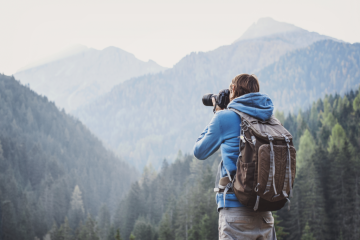
- Photograph details that catch your eye
- Reflect on your experiences at the end of the day
Learning to enjoy your own presence is a powerful life skill.
Manage Your Budget Carefully
Solo travel often costs more since expenses aren’t shared, but smart planning keeps costs under control.
Budget-friendly tips:
- Track daily spending
- Use public transportation
- Eat where locals eat
- Book activities directly instead of through middlemen
Financial awareness gives you freedom and peace of mind.
Stay Open, But Set Boundaries
Meeting new people is one of the joys of solo travel, but boundaries matter.
Remember:
- It’s okay to say no
- You don’t owe anyone your time or energy
- Choose experiences that align with your comfort level
Balance openness with self-respect for a healthier travel experience.
Frequently Asked Questions
Is solo travel safe for first-time travelers?
Yes, with proper planning and awareness, solo travel can be very safe—even for beginners.
How long should my first solo trip be?
A short trip of 3–7 days is ideal to build confidence without feeling overwhelmed.
What should I do if I feel lonely while traveling alone?
Join group tours, stay in social accommodations, or simply strike up conversations in cafés or common areas.
Is solo travel more expensive than group travel?
It can be, but careful budgeting and smart accommodation choices help keep costs manageable.
How do I handle emergencies while traveling solo?
Keep emergency contacts accessible, know local emergency numbers, and have travel insurance.
Should I tell people I’m traveling alone?
You don’t have to. Sharing limited personal details is often the safest approach.
Can solo travel help with personal growth?
Absolutely. Solo travel builds confidence, independence, and self-awareness like few other experiences.
Solo travel isn’t about being alone—it’s about discovering what you’re capable of. Start small, trust yourself, and let the journey shape you in unexpected ways.