Moving Beyond Melatonin: Safe Exploration of Non-Hormonal Sleep Aids
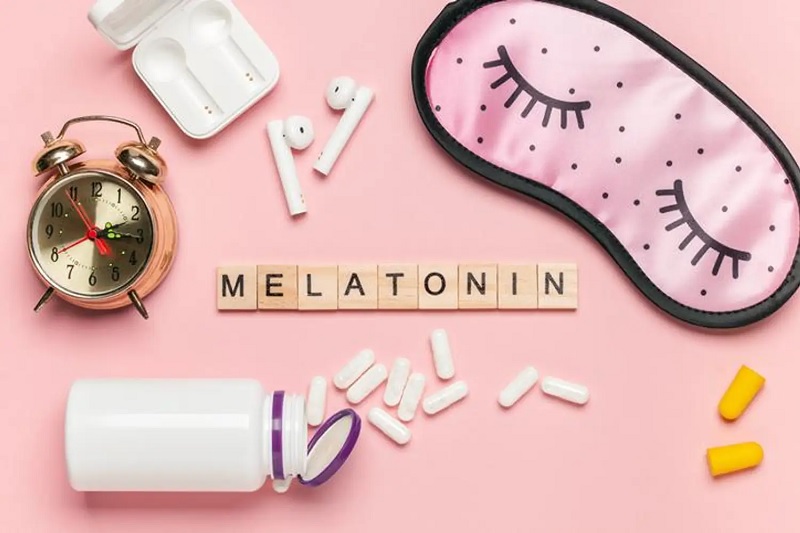
For millions of people struggling to catch a full night of restorative rest, the nightly routine often involves popping a melatonin gummy and hoping for the best. Melatonin has enjoyed a massive surge in popularity, becoming the undisputed default over-the-counter solution for anyone tossing and turning at night. It feels harmless, natural, and easy to acquire. However, melatonin is not a mild sedative; it is a powerful neurohormone. Relying on it night after night can disrupt your body’s delicate internal endocrine balance, often leading to grogginess, vivid nightmares, or diminishing returns as your natural production adapts to the synthetic supplement.
When melatonin stops working or you prefer to avoid introducing extra hormones into your system, a wide world of non-hormonal sleep aids awaits. Exploring these alternatives requires shifting your mindset away from quick chemical fixes and toward physiological support. From traditional botanicals that calm the nervous system to modern magnesium formulations that relax tense muscles, understanding how non-hormonal aids work helps you build a safer, more sustainable nighttime routine.
Understanding Non-Hormonal Sleep Support
To appreciate why non-hormonal options are worth exploring, it helps to look at how sleep actually initiates in the human brain. Sleep is not merely the presence of melatonin; it is the complex result of down-regulating the central nervous system, calming an overactive mind, and clearing out daytime cortisol.
Hormonal supplements attempt to force the sleep gate open by mimicking chemical signals. Non-hormonal sleep aids, by contrast, generally work by supporting neurotransmitters like gamma-aminobutyric acid, which acts as the brain’s natural brake pedal. They soothe frayed nerves, relax smooth muscle tissue, and gently coax your body into a parasympathetic state where deep sleep can occur naturally. This gentle approach makes non-hormonal aids far more suitable for long-term use without the fear of hormonal dependency.
Botanical Allies: Time-Tested Herbal Remedies
For centuries, humans have turned to plants to quiet the mind and encourage restful slumber. Modern science has begun catching up with ancient wisdom, isolating the active compounds in these botanicals that promote relaxation without the heavy-handed sedation of pharmaceutical sleeping pills.
Valerian Root and the GABA Pathway
Valerian root is perhaps the most famous herbal sleep aid on the market, with a history of use dating back to ancient Greece and Rome. Valerian works primarily by preventing the breakdown of GABA in the brain, resulting in higher concentrations of this calming neurotransmitter.
While valerian root is effective for many individuals, it has a distinct quirk: it does not work overnight. The calming compounds in valerian require consistent daily supplementation over a period of two weeks to build up in your system before you notice a significant improvement in sleep onset and sleep quality. Furthermore, it possesses an earthy, pungent aroma that some users find unappealing, making capsules a much more popular choice than teas.
Passionflower and Chamomile for Nervous Tension
If your primary obstacle to falling asleep is a racing mind replaying the stressful events of the workday, passionflower and chamomile are exceptional botanical choices. Passionflower has been shown in clinical settings to rival mild pharmaceutical anti-anxiety medications in its ability to calm generalized nervous tension. Chamomile contains an antioxidant called apigenin, which binds to specific receptors in your brain that decrease anxiety and initiate sleepiness. Drinking a warm cup of chamomile tea an hour before bed serves a dual purpose, combining the gentle biochemical properties of the herb with the psychological comfort of a soothing bedtime ritual.
The Mineral Connection: Magnesium and Sleep
While herbs get much of the spotlight, mineral deficiencies are frequently the hidden culprits behind restless nights and nighttime muscle cramps. Among these, magnesium stands out as an absolute powerhouse for sleep regulation.
Why Modern Diets Lack Magnesium
Magnesium is involved in over three hundred enzymatic reactions in the human body, including the relaxation of muscles and the regulation of the nervous system. Unfortunately, modern agricultural practices and heavily processed diets have left a staggering percentage of the population deficient in this vital mineral. When your magnesium levels are low, your nervous system remains in a heightened state of physical alertness, making it exceptionally difficult to drop into deep, restorative sleep cycles.
Choosing the Right Form of Magnesium
Not all magnesium supplements are created equal, and choosing the wrong type can lead to digestive distress rather than a good night’s sleep.
-
Magnesium Glycinate: This is the gold standard for sleep support. Glycine is an inhibitory amino acid that works synergistically with magnesium to calm the brain, lower core body temperature, and promote deep rest without a laxative effect.
-
Magnesium Malate: Excellent for individuals who experience daytime fatigue alongside nighttime sleep disruption, as malic acid supports cellular energy production.
-
Magnesium L-Threonate: A specialized form that crosses the blood-brain barrier effectively, targeting cognitive relaxation and neurological calm.
Incorporating a high-quality magnesium glycinate supplement into your evening wind-down routine provides foundational biochemical support that helps your body unwind naturally, addressing the physical root causes of insomnia rather than just masking the symptoms.
Amino Acids: L-Theanine and GABA
For those who want targeted neurotransmitter support without herbal extracts or heavy minerals, specific amino acids offer a clean, highly effective alternative for evening relaxation.
L-Theanine and Brainwave Modulation
Naturally found in green tea, L-theanine is a unique amino acid that easily crosses the blood-brain barrier. Instead of acting as a direct sedative that knocks you unconscious, L-theanine promotes relaxation by encouraging alpha brainwave activity. These are the exact brainwaves associated with a state of relaxed wakefulness, meditation, and the early stages of falling asleep. It helps quiet mental chatter, allowing you to transition from the high-stress demands of the day into a peaceful, receptive state for rest.
Direct GABA Supplementation
While the brain’s blood-brain barrier traditionally makes direct GABA supplementation a subject of debate among pharmacologists, many users report profound calming effects. Combining L-theanine with GABA creates a powerful, non-hormonal synergy that targets both physical relaxation and mental tranquility, offering a reliable bridge to sleep for those struggling with evening anxiety.
Integrating Non-Hormonal Aids Into a Holistic Routine
Taking a supplement—even a safe, non-hormonal one—is only ever one piece of the sleep puzzle. No botanical extract or mineral compound can completely override an environment or lifestyle hostile to rest.
True sleep optimization requires surrounding your chosen non-hormonal aids with strong sleep hygiene practices. Dim your home lighting an hour before bedtime to encourage your natural circadian rhythms. Disconnect from blue-light-emitting screens that trick your brain into thinking the sun is still high in the sky. Keep your bedroom cool, dark, and quiet. When you combine targeted non-hormonal aids like magnesium glycinate or passionflower with a disciplined, low-stress evening environment, you build a sustainable foundation for deep, restorative sleep that honors your body’s natural physiology.